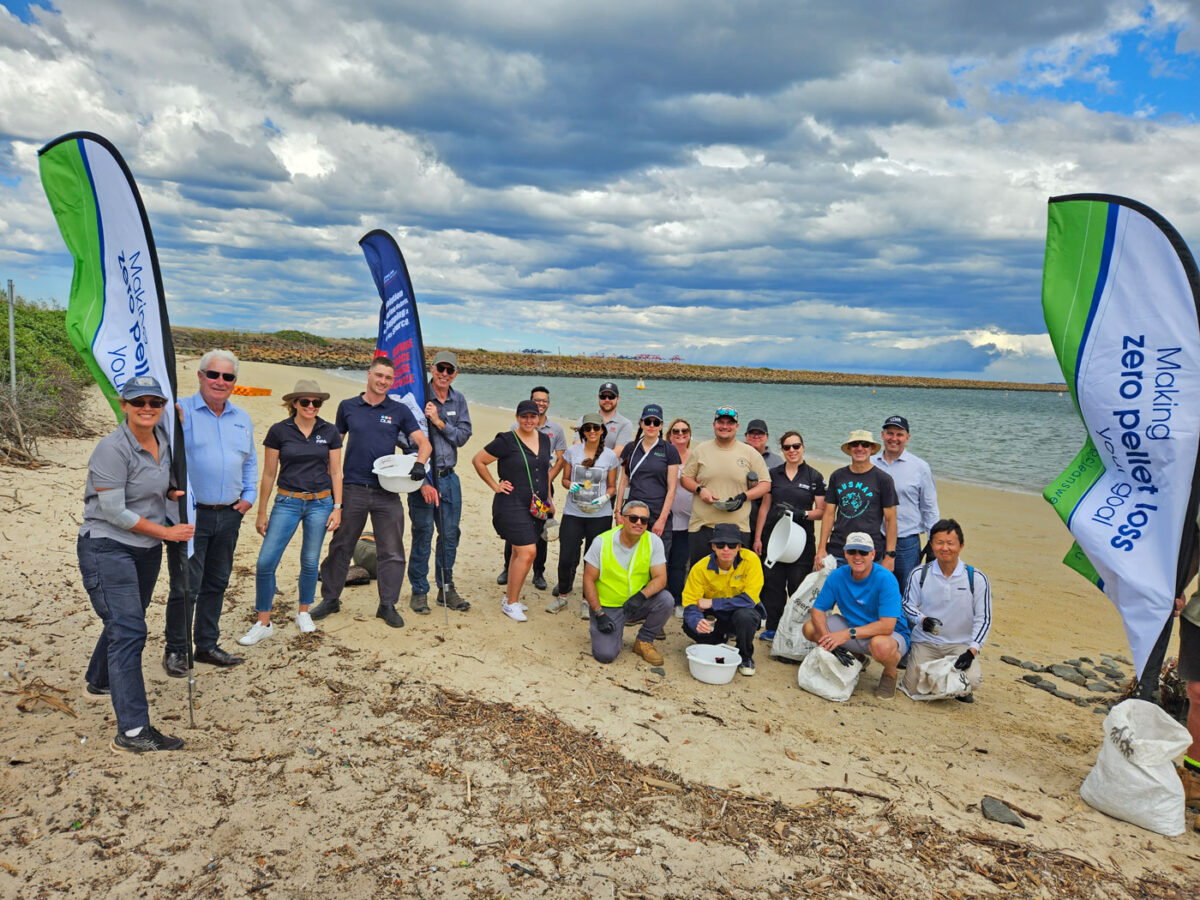
Microplastics are tiny plastic particles generally measuring up to 5 mm in size. The CSIRO defines microplastics as particles ranging from 5 mm down to 1 micrometre (μm). Nanoplastics are even smaller typically less than 1 μm (0.001 mm).
Microplastics can appear in many forms including fragments, fibres, spheres or beads, films and pellets.
They are now widespread in the environment and can be found in food, water, and air.
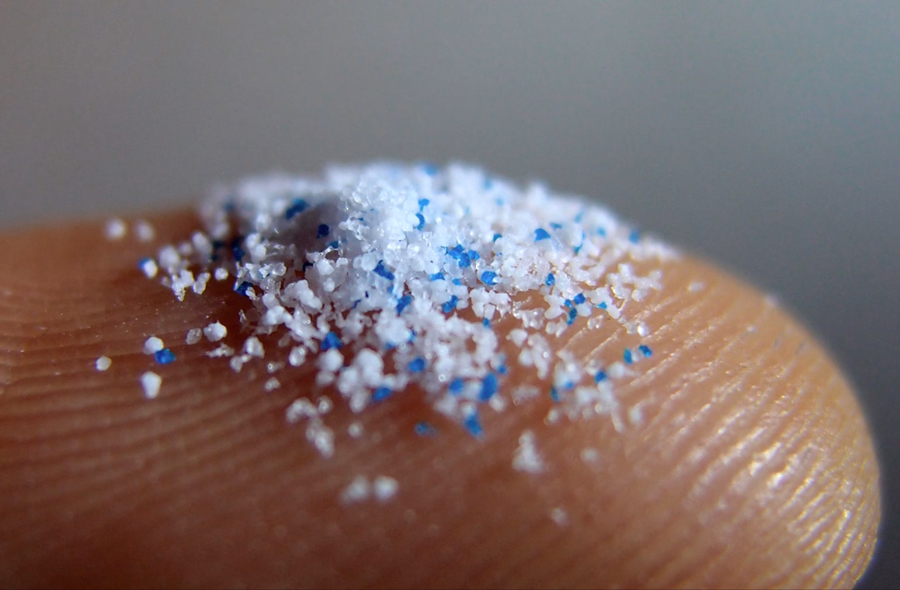
There are two main types of microplastics: primary microplastics and secondary microplastics.
Primary microplastics are intentionally manufactured in very small sizes or released into the environment as small particles. Examples include microbeads once used in cosmetics, personal care and cleaning products as abrasives. They can also be found in fertilisers, plant protection products, paints, products used in the oil and gas industry, artificial turf infill and plastic manufacturing pellets.
Microplastics can also be generated through the wear and tear of larger plastic-containing products such as fibres released during washing of synthetic clothing or particles created through tyre abrasion.
Secondary microplastics are unintentionally formed when larger plastic items such as single-use packaging, plastic bags or plastic bottles break down over time into much smaller particles.
Microplastics generated on land can enter waterways and oceans through household drainage, wastewater systems, stormwater runoff, landfill leakage, agricultural runoff, and transport through the air. Sea-based sources include fishing, shipping, aquaculture, and other maritime activities. Packaging waste is also a contributor from both land and marine environments.
Many microplastics are formed when larger plastic items already present in the environment gradually break down into smaller fragments. This breakdown is mainly caused by exposure to sunlight (UV radiation) and physical abrasion which weaken plastics over time. Plastics exposed on beaches often degrade faster than those floating at sea due to stronger sunlight and wave action.
Once microplastics enter the marine environment they are extremely difficult and costly to remove.
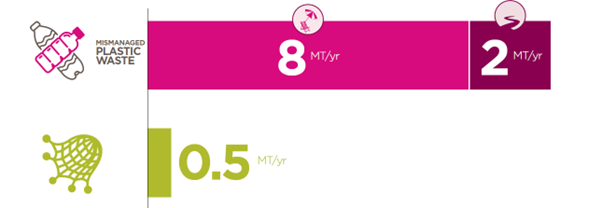
A 2017 study found that the largest source of microplastics in the ocean is secondary microplastics created when larger plastic waste breaks down into smaller particles. It estimated that around 10.5 million tonnes of microplastics enter the oceans each year through this pathway including 10 million tonnes from mismanaged plastic waste and 0.5 million tonnes from fishing nets. The study also noted that tracing the exact sources of secondary microplastics can be difficult.
The same research estimated that between 15 and 31% of all plastics in the ocean could originate from primary microplastics. This equates to a global release of primary microplastics into the ocean estimated at 1.5 million tons per year or the equivalent of or 43 light plastic bags equivalent per year per person. Most of these (98%) are generated from land-based activities.
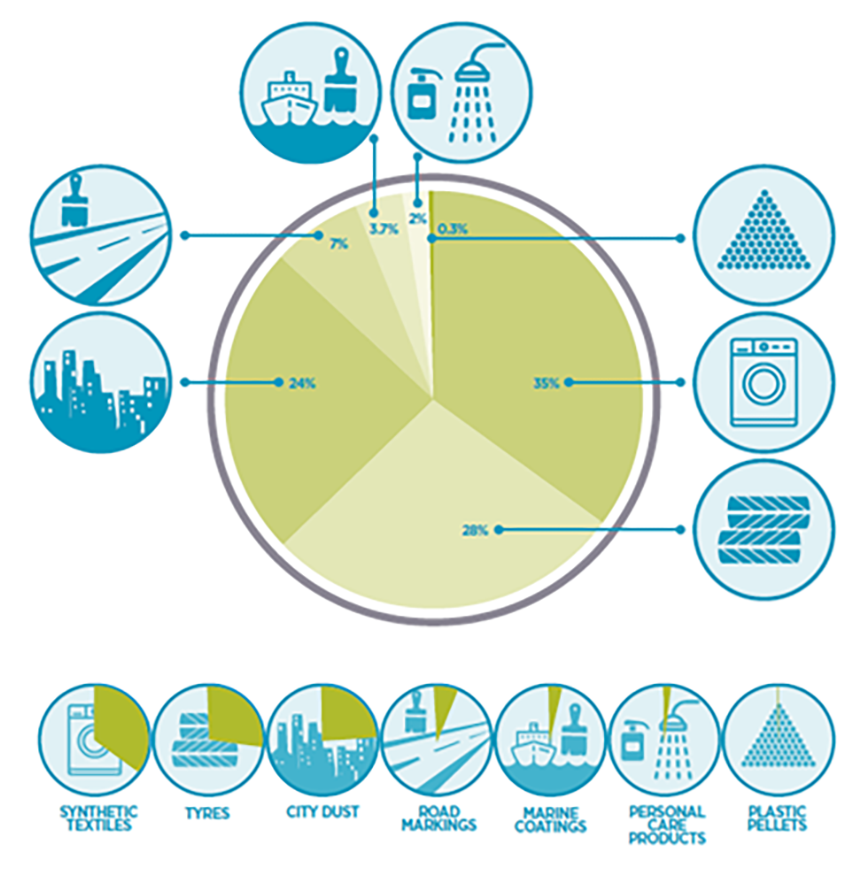
Research indicates that most primary microplastics entering oceans originate from land-based activities, including:
These materials typically reach waterways through:
Overall, the largest sources of ocean microplastics are linked to mismanaged waste, tyre wear, textiles, urban dust and degraded packaging not plastic pipe systems.
Two studies have been undertaken to test whether plastic pipes used for drinking water are a source of microplastics.
A 2020 study by TEPPFA with the Danish Technological Institute investigated whether microplastics came from plastic pipe systems due to abrasion or migration in drinking water installations. A number of different types of plastic pipe were evaluated against control of copper pipe. Based on the applied method no levels of microplastics above the detection limit (2 μg/l) were found in the samples of the tests of PE80, PEX-A, PE-rt and PVC-U.
In 2021 the study was replicated and expanded to more types of plastic pipe.
The report concluded that the microplastics analysis did not show any evidence for release of particles from the corresponding pipe materials into water.
In 2020, the Danish Technological Institute examined two approximately 30 year old storm water pipes – PVC and PP. The wall thickness was examined to determine whether the wall thickness might indicate wear and release of microplastics. The report concluded that “The wear of the wall thickness is too miniscule to be measured with normal gauge used for measuring wall thickness. No wear could be detected.”
PIPA is proud to support Operation Clean Sweep, a global initiative dedicated to preventing plastic pellet loss. We work closely with our members across Australia both current partners and those working towards joining to reduce pellet loss throughout the supply chain.
At PIPA, we believe every organisation has a role to play, and even small actions can create meaningful, measurable change for the environment.
What does this campaign aim to achieve?
To support every plastic resin handling operation whether manufacturing, transporting, fabricating, or installing in adopting best-practice housekeeping and containment measures, to work towards achieving zero pellet loss.