The importance of welding in plastic pipeline systems
Plastic pipelines are critical infrastructure assets, enabling the safe and reliable delivery of clean drinking water, energy, sanitation, gas and stormwater management across Australia. Decades of innovation, rigorous manufacturing standards, and world-class production have positioned polyethylene (PE) pipe systems as a trusted, long-life solution.
However, the durability of a pipeline relies not only on the quality of the pipe itself, but on the strength and integrity of its joints. Welding is therefore a fundamental element in achieving the full lifecycle performance of PE pipeline systems.
Attention to quality must extend beyond the factory to every stage of the pipeline journey — from raw materials, manufacturing, transport and handling, through to installation, ongoing operation and asset management. Best practice welding practices are essential to ensuring pipelines meet their intended design life, often exceeding 100 years.
The biggest factor in achieving long-term performance is welder competency. A high-quality fusion joint becomes as strong as the pipe itself — and that’s critical for a system expected to last over 100 years.
PIPA Guidelines
Fusion welding is central to system integrity. To support consistent, safe, and durable welding practices, PIPA has developed nationally recognised guidelines that establish best practice for PE pipe jointing.
They are widely referenced in national standards, industry codes, and project specifications across Australia.
Electrofusion Welding Guidance
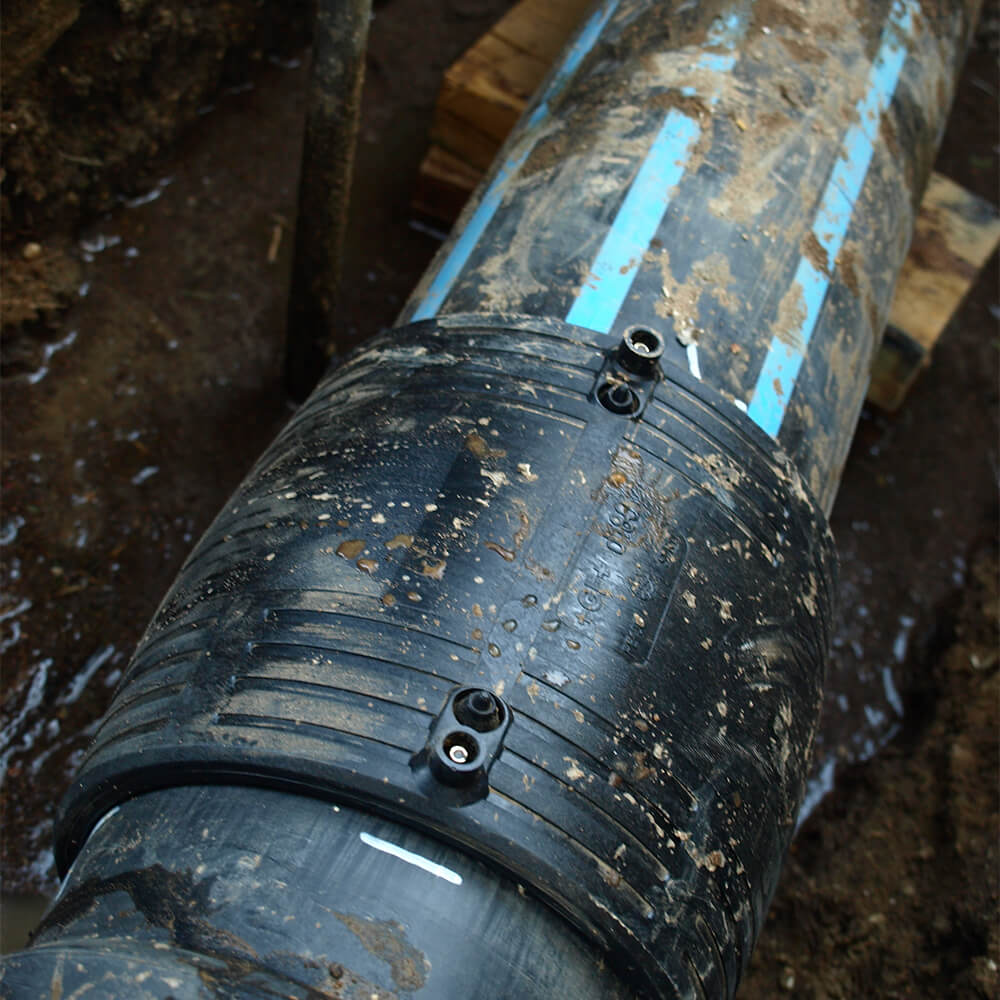
POP001 provides best-practice guidance for electrofusion welding of PE pipes and fittings for pressure applications. It covers the full welding process, from understanding electrofusion principles and welder certification requirements through to installation, inspection, and documentation.
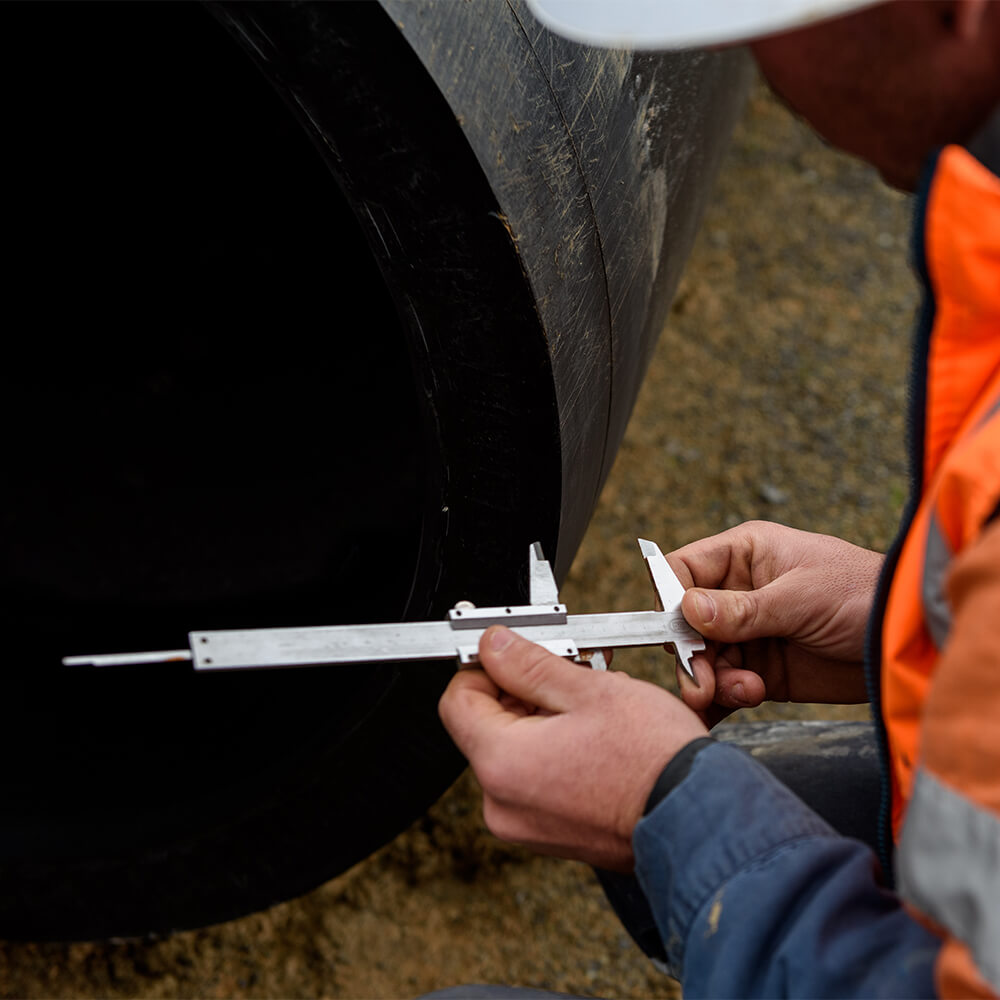
A key focus of this guideline is pipe preparation, which is widely recognised as the most critical — and often least understood — step in electrofusion welding. Poor preparation remains the leading cause of joint failure, making this stage non-negotiable.
Supporting this is POP001A, a practical companion guide that translates theory into clear, step-by-step procedures for a range of electrofusion assemblies, including:
Socket assembly and welding
Slip couplings
Saddle fusion
The guide also places strong emphasis on site conditions, equipment handling, and quality control records to support auditability and reduce risk and liability.
Quality control and record keeping
Butt Fusion Welding Guidance
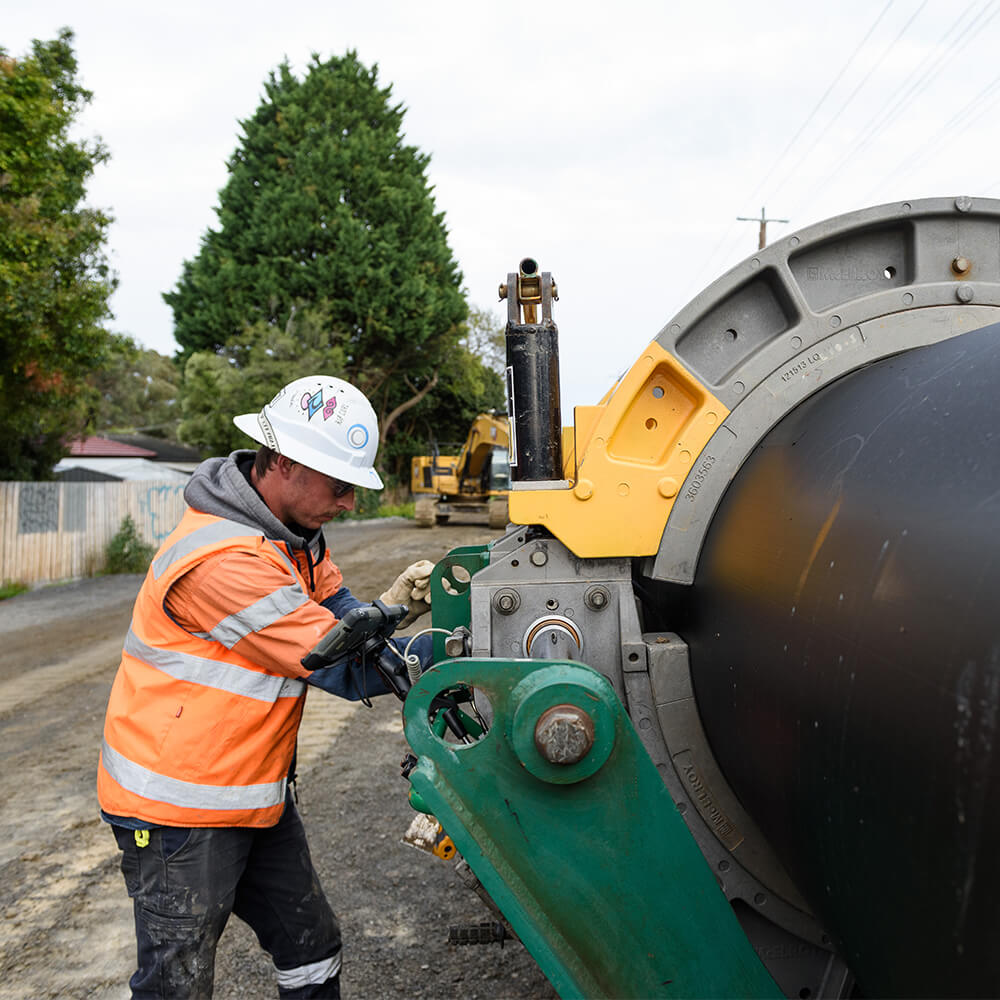
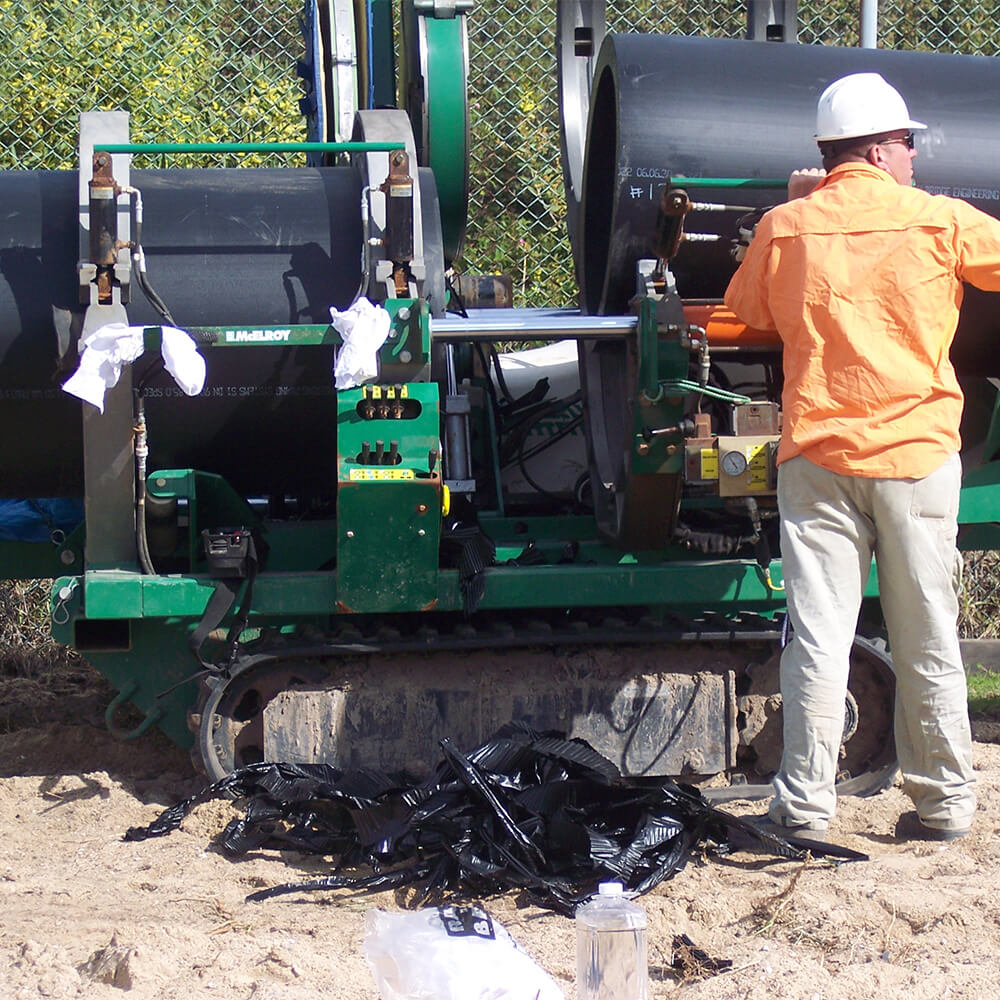
For butt fusion jointing, POP003 provides a comprehensive framework for producing safe and durable welds. The guideline is aligned with ISO 21307, the international standard for butt fusion jointing procedures in gas and water distribution systems.
It addresses critical welding parameters such as:
Materials and equipment
Fusion methods
Surface preparation
Clamping and alignment
Heating, fusion, and cooling cycles
Weld inspection and quality assessment
The guideline delivers practical, actionable recommendations that support consistent, repeatable outcomes in the field.
Training, Competency, and Re-Accreditation
Welder competency is a cornerstone of long-term pipeline performance. PIPA advocates for welding training that aligns with national competency standards, supported by regular re-accreditation every 2–3 years.
Training pathways typically include:
Supplier-specific training, provided by equipment or fitting manufacturers and limited to their products
Broad-based training through Registered Training Organisations (RTOs), aligned with National Competency Standards, including:
PMBWELD309E – Weld plastic using extrusion techniques
RTO-based training is the most common pathway to nationally recognised industry credentials. While PIPA does not deliver welder training, it strongly endorses regular re-accreditation to ensure welders remain current with evolving standards, procedures, and technologies.
Industry Alignment and Quality Assurance
PIPA’s commitment to quality extends beyond field welding. POP020 – Principles of PE Electrofusion Welding and Assessment supports laboratories conducting destructive weld testing, ensuring consistent, industry-aligned assessment methods. This closes the loop between on-site practice and laboratory validation.
In addition, HDPE pipeline joining processes and Quality Assurance programs are available for engineers, inspectors, and QA/QC professionals seeking to deepen their technical understanding of PE systems.