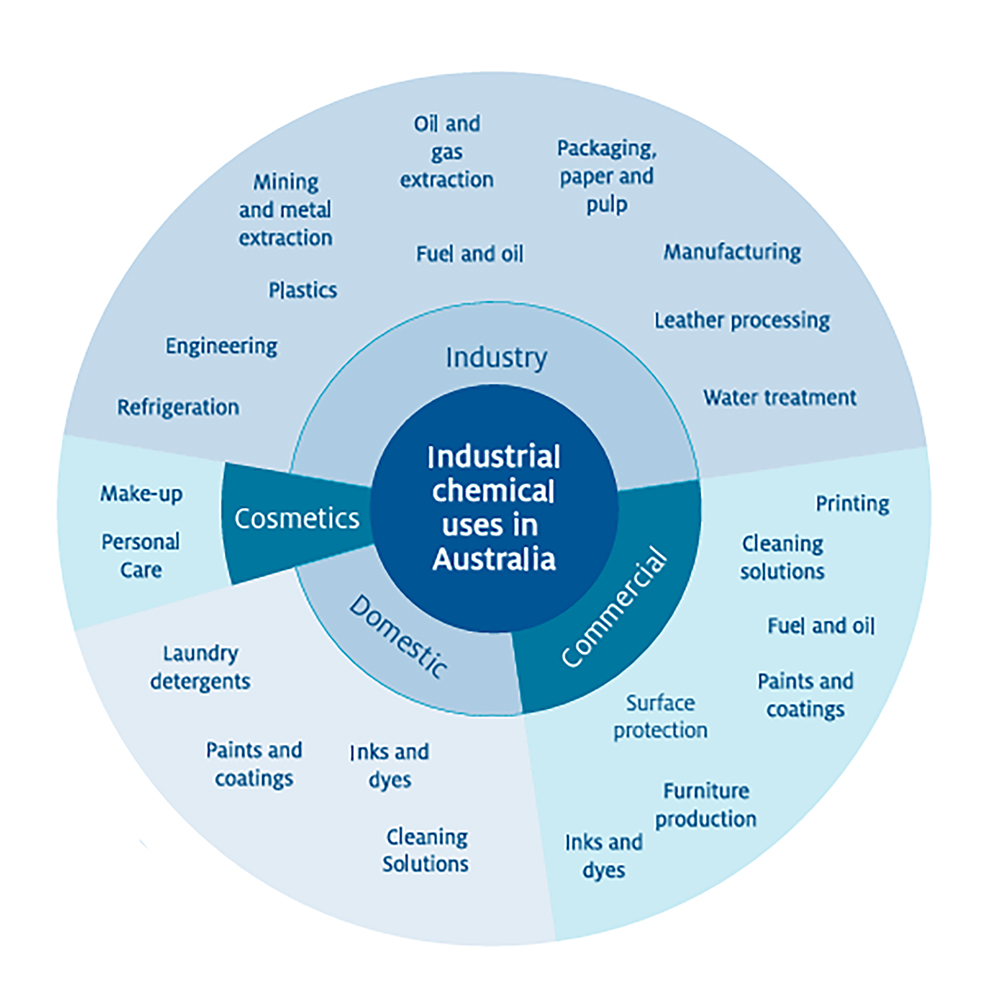
Chemicals are a fundamental part of everyday life and play an important role in our broader economy. In Australia alone, more than 40,000 industrial chemicals are available for use found in a wide range of products we interact with every day. While there are sometimes misconceptions regarding the industrial chemicals used to manufacture plastic pipes, it is important to note that the Australian Government’s Industrial Chemicals Roadmap states that most chemicals in use are of low concern to the environment and human health.
Our plastic piping systems provide reliable performance across all applications, free from harmful chemicals and compliant with Australian standards.
Plastic pipes provide the highest level of safety for carrying drinking water.
Australian Standards for PVC pipe specifically exclude harmful additives such as phthalates, dioxins and heavy metals.
While PFAS are a high priority for environmental regulators they are not a concern for Australian plastic pipe systems.
Plastic pipes do not contain any of the chemicals of concern identified by the Australian government through IChEMS
Health and environmental concerns sometimes associated with PVC do not apply to Australian-made PVC pipes, including PVC-U, PVC-M and PVC-O. This is verified through Best Environmental Practice PVC certification.
Unlike flexible PVC Australian plastic pipes are manufactured without the use of plasticisers.
Although dioxins were historically associated with PVC production strict modern manufacturing standards ensure they are eliminated from finished products. Emissions under best-practice processes are also significantly lower than those from many other common materials.
Lead, cadmium, mercury and hexavalent chromium are not used in the production of plastic pipes. Instead, safe calcium-zinc or organic stabilisers are used.
Best Environmental Practice (BEP) PVC is a safer, more reliable and environmentally responsible approach to PVC production. It considers the entire lifecycle of the material from PVC resin production and additive selection through to manufacturing, use and end-of-life management.
While per- and polyfluoroalkyl substances (PFAS) are a high priority for environmental regulators they are not a concern for Australian plastic pipe systems. PIPA and its members are dedicated to ensuring our products remain safe, durable and sustainable for all Australians.
PFAS are a group of over 4,000 manufactured chemicals used since the 1950s for their ability to resist heat, stains, and water. Because some “long-chain” PFAS (such as PFOS and PFOA) are persistent in the environment and can bioaccumulate, they are being closely monitored and regulated by the Australian government.
You can be confident in the safety of Australian plastic pipes for the following reasons:
Australian state and territory governments are working together to strengthen and harmonise the management of industrial chemicals and their potential environmental impacts. This national collaboration is guided by Australia’s Industrial Chemicals Roadmap which outlines the strategy for consistent effective management.
At the heart of these efforts is the Industrial Chemicals Environmental Management Standard (IChEMS). IChEMS is designed to:
PIPA is actively collaborating with government on IChEMS as part of the consultation process for regulating industrial chemicals, ensuring the protection of communities and the environment.
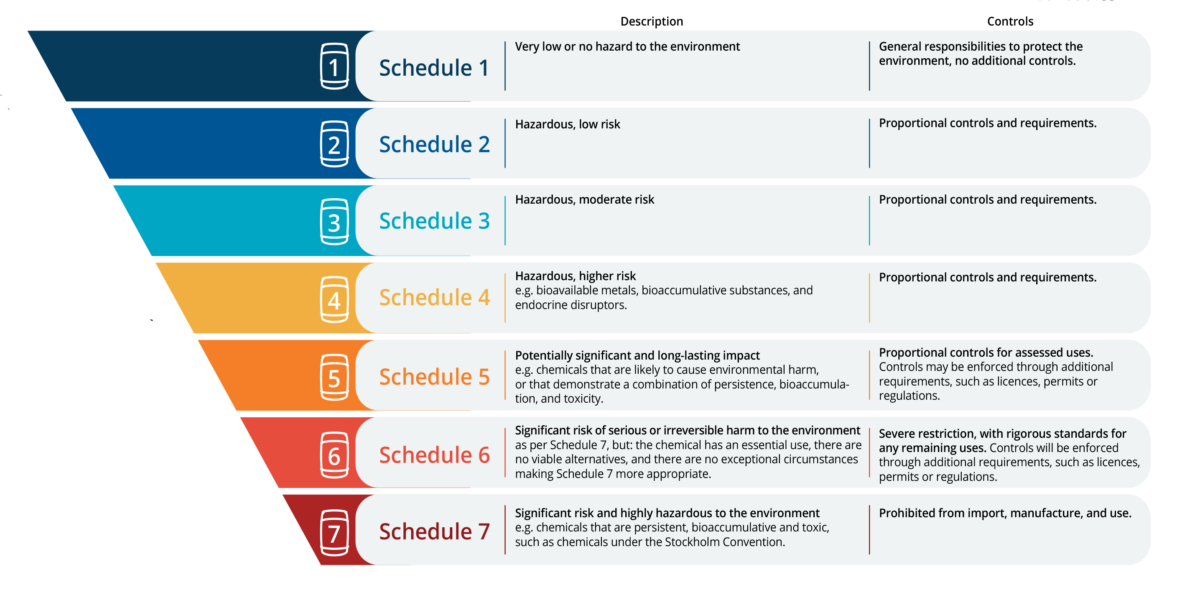
Chemicals with the highest risk are subject to stricter controls ensuring that industrial activity is balanced with environmental protection.
Improving transparency and supporting sound management of additives